Digital Immersive Training
Illustrative consulting case
Industry
Education
Scope of work
Immersive Learning
Timeline
Implementation Project
Context & Challenge
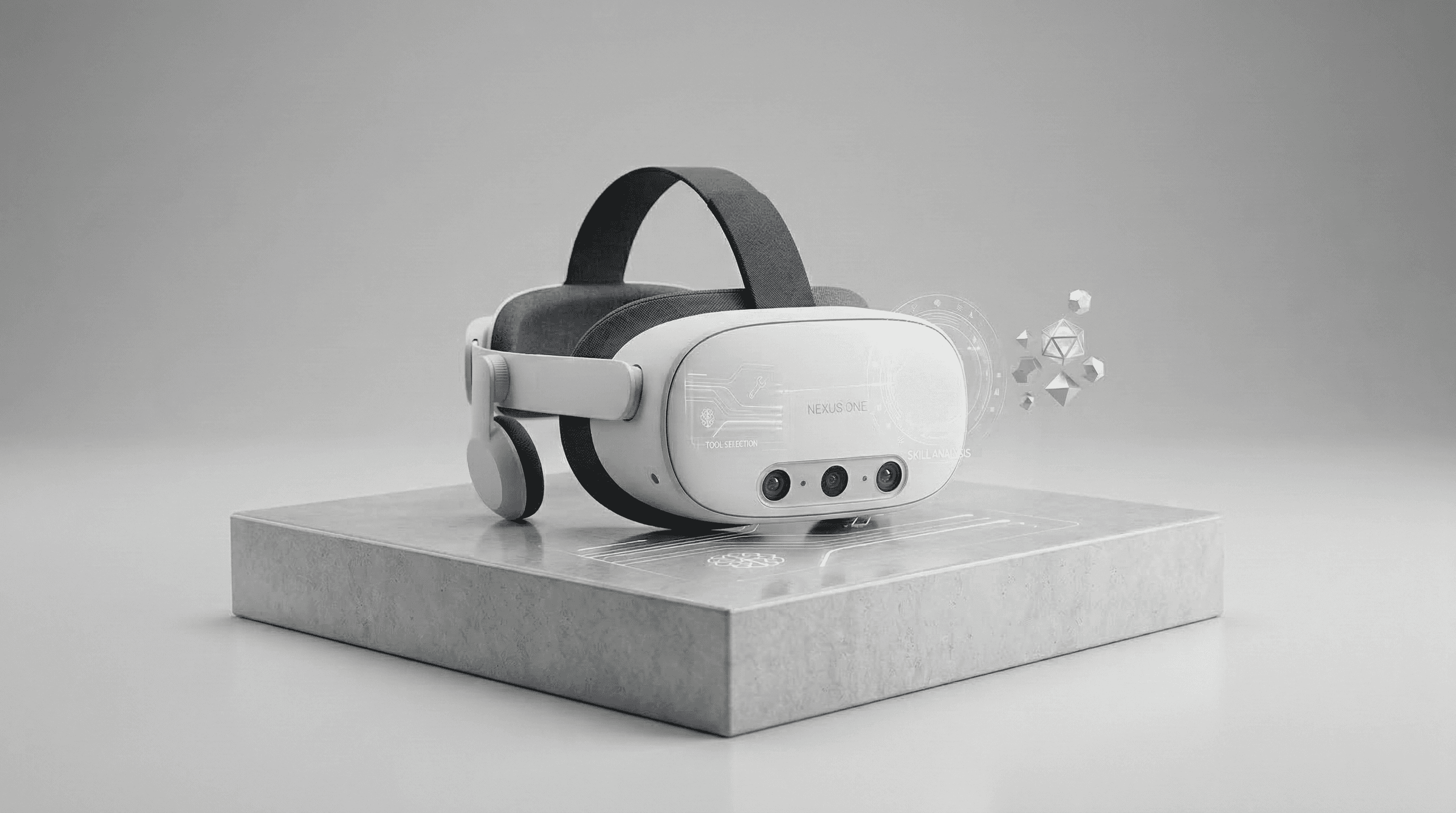
Traditional training formats often struggle to reproduce complex real-world situations. While classroom sessions remain useful, they do not always provide the level of engagement or realism required to practice decision-making. Organizations increasingly explore immersive technologies as a way to create more interactive and experiential learning environments.
Immersive training places participants directly inside simulated situations where they can explore environments, interact with elements and practice decision-making in realistic scenarios. This approach transforms training from passive instruction into active learning.


Immersive Learning Design
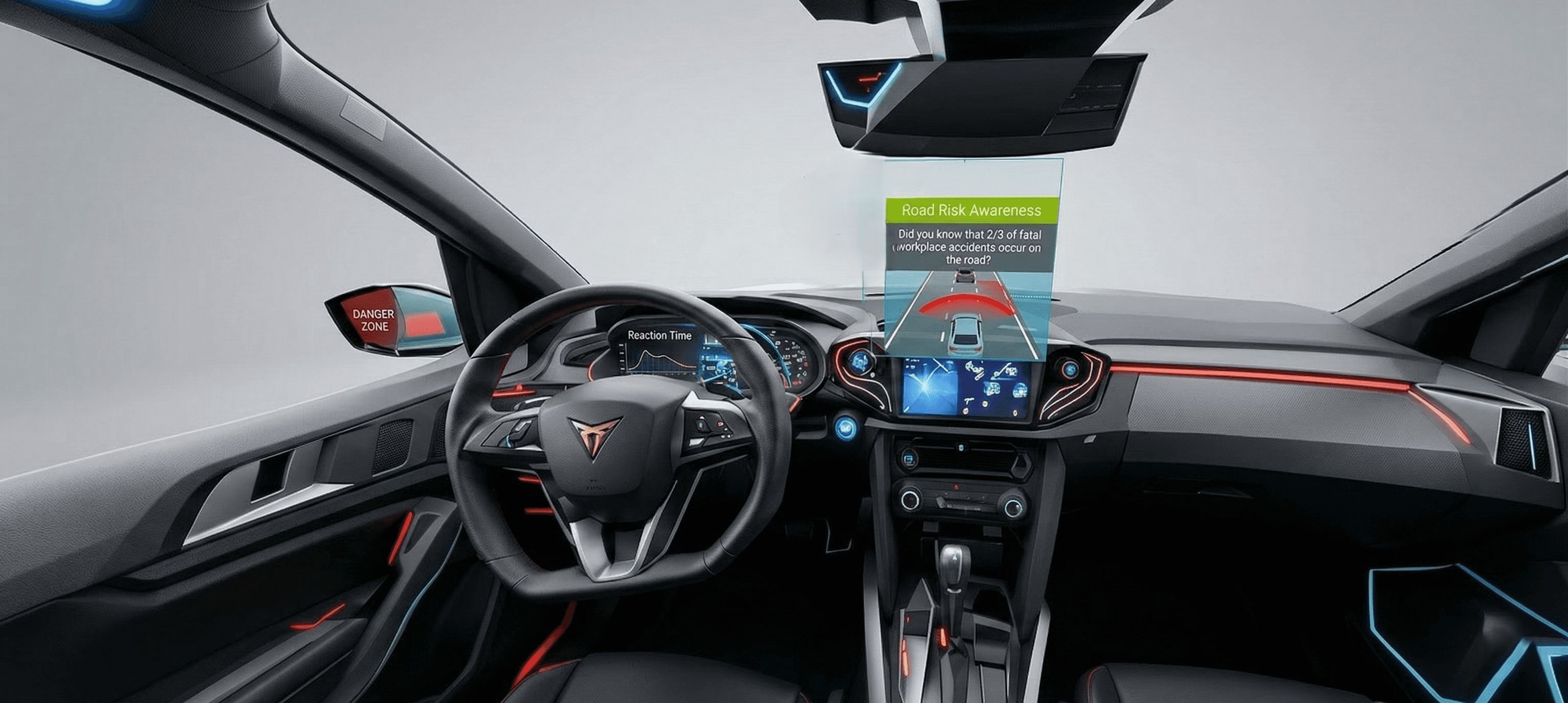
Immersive learning programs can be deployed either through custom scenarios or through an existing catalogue of ready-to-use immersive training modules. These modules cover a wide range of professional situations including employability skills, diversity and inclusion, psychosocial risks, workplace safety and customer interactions.
Organizations can therefore quickly deploy immersive training programs without starting from scratch, while still having the possibility to design custom immersive scenarios adapted to their specific needs.
Training Catalog & Deployment
Immersive learning significantly increases engagement by allowing participants to actively explore situations rather than simply listening to theoretical explanations. Studies show that immersive formats can reach information retention rates of up to 90%, while often requiring a fraction of the time of traditional training programs.
Learners can progress autonomously through immersive scenarios, making the format particularly effective and widely appreciated by younger generations of professionals.